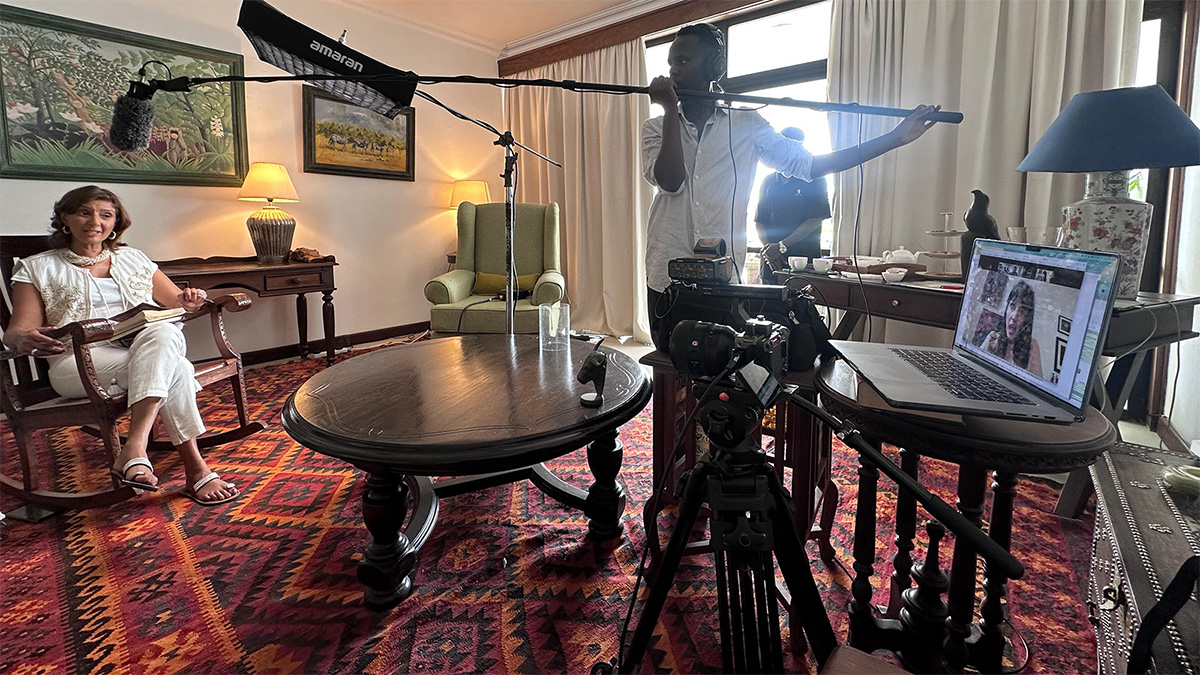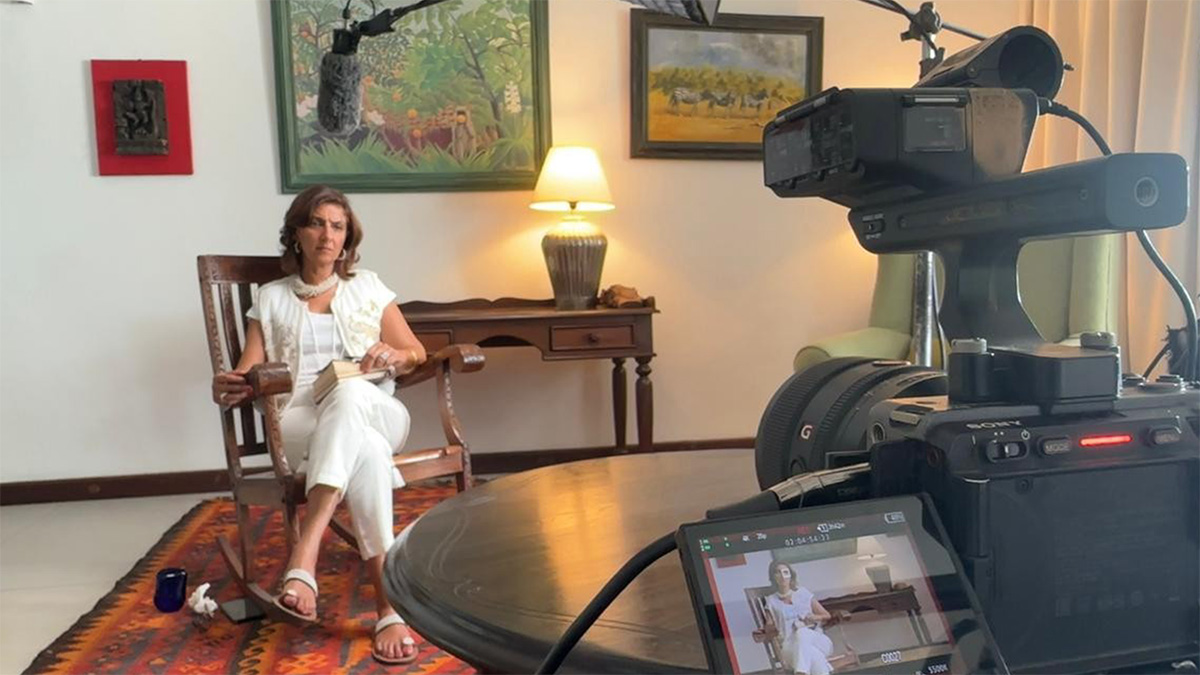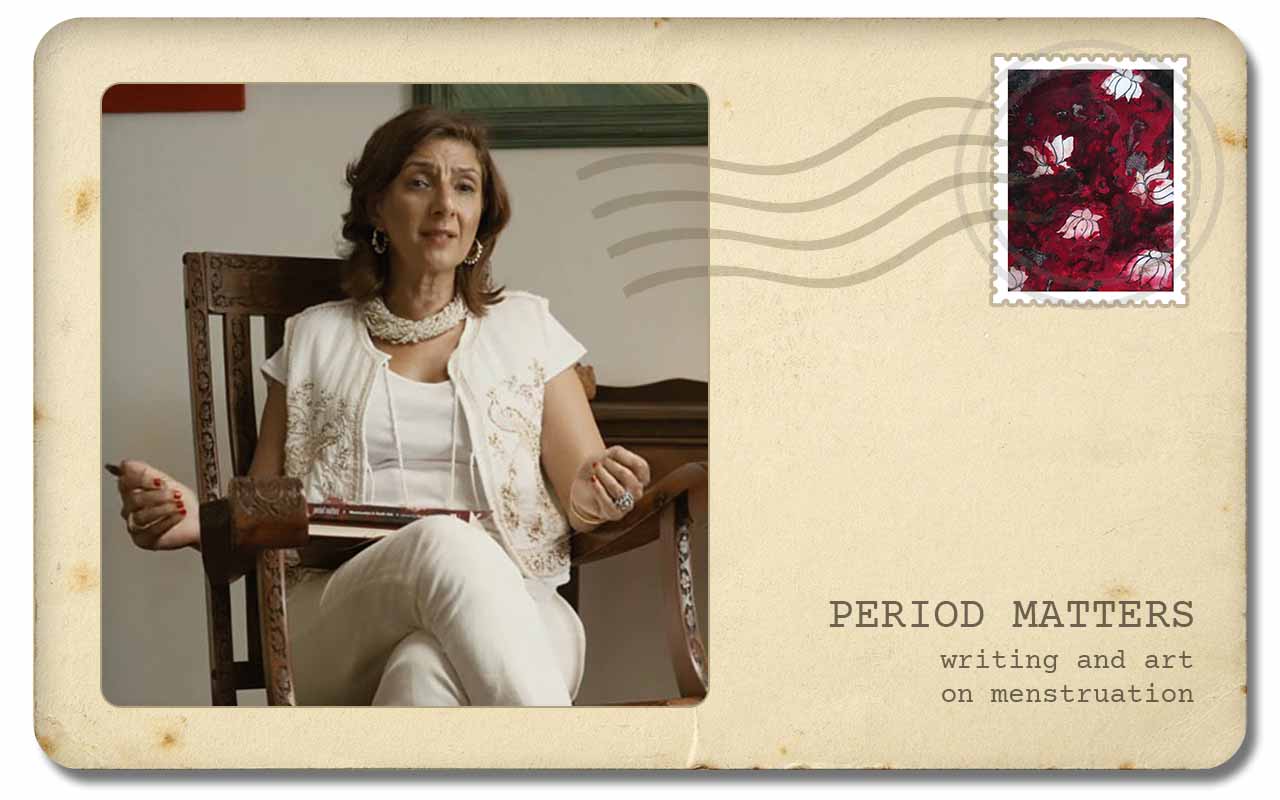
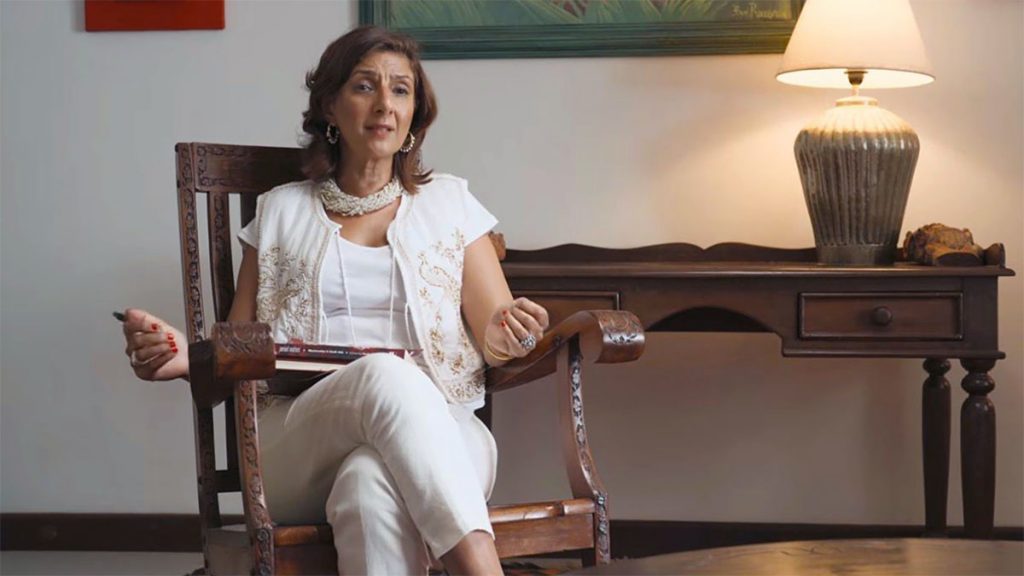
Recently, I was asked to speak about the period art or menstrala in Period Matters for a documentary directed by Kathryn Everett for Kotex. The crew interviewed me in Mombasa for about two hours and snippets of that conversation were included in the 8 minute clip. A glimpse into the variety of art that is made across South Asia in different mediums, including dance, mural, acrylics, embroidery and menstrual blood was not showcased as the producers were limited to a narrative that they wanted to emphasise: that period art is shamed and stigmatised.
I wish the documentary had been able to go beyond what we already know — that not everyone is comfortable with period art because they fear it, are disgusted, or awed, or all at the same time. The reasons are political, cultural, religious — menstruation goes to the core of a person’s identity so their reaction to it is bound to be intersectional.
So what is there left to say? Plenty — that the boundaries can be pushed through different art forms, like what we showed in Period Matters, but also there is hope in the ways different grass roots organisations are helping to change the conversation at a micro level, in homes, classrooms and offices.
There is hope also when organisations make period leave a paid option, and governments waive tampon taxes, and make menstrual products free.
There are other signs that while in some places women are still being shamed for their period and discriminated against, in others there is more understanding and compassion.
One other aspect of the documentary puzzled me: why was there no mention of a single African artist? Why were artists not part of the mainstream not included? While I was glad that the South Asian perspective was included, I was disappointed that the discussion was still not broad enough. I took pains in my interview to mention how those living at the margins are always excluded — homeless women, those in prison, those with disabilities — and yet once again the same thing happened.
So in that sense the documentary was a missed opportunity. It could have been something truly ground breaking, but instead it was just retelling the story that we know.